
The 2026 Memory Shortage Explained: Why Electronics Cost More This Black Friday, and What Comes Next
If laptops, smartphones and gaming hardware feel more expensive this year, it's not your imagination. A global memory chip shortage driven by AI data centers has pushed component costs to record levels. Gartner expects combined DRAM and SSD prices to rise around 130% across 2026, leaving PCs about 17% and smartphones about 13% more expensive than in 2025. Black Friday deals are still happening, but they look different: discounts are concentrated on previous-generation models and bundles, while new devices hold their prices.
Below is the practical breakdown: what the memory shortage is, how it's affecting prices, what to expect from Black Friday and Cyber Monday, when relief might come, and what it means for consumer electronics businesses heading into 2027. See current deals in our Hot Sale here.
What is the 2026 memory shortage?
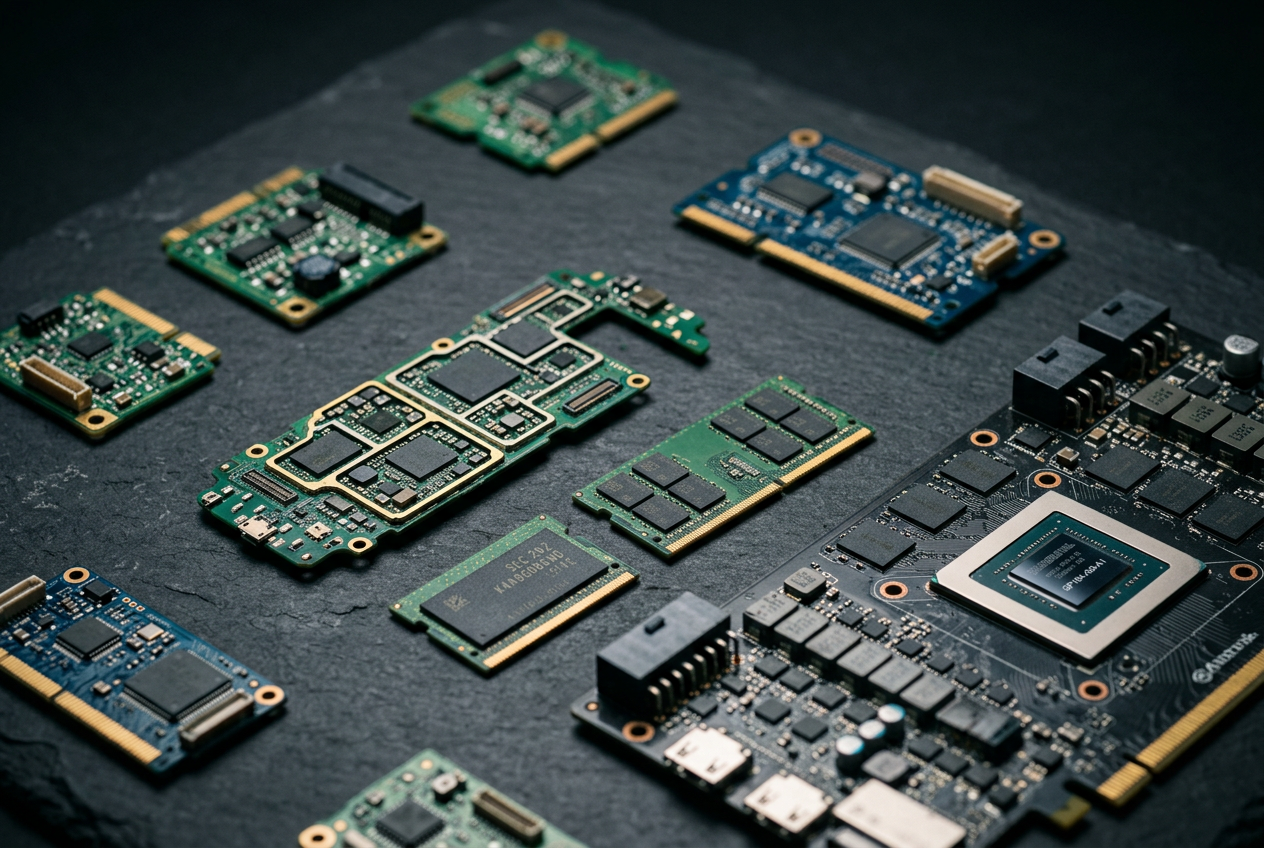
Every laptop, phone, console and tablet needs two kinds of memory: DRAM (the RAM that runs apps) and NAND flash (the storage that holds your files). Both come mostly from three manufacturers: Samsung, SK Hynix and Micron.
Over the past year, those manufacturers redirected a large share of their production toward high-bandwidth memory (HBM) and high-capacity server memory for AI data centers, which is far more profitable. Unlike past memory cycles, this isn't the result of a factory problem or overproduction. It's a deliberate shift in where wafers are going, and consumer electronics are getting what's left.
The result has been dramatic. A mainstream DDR4 memory chip that sold for about $12 on the spot market in November 2025 reached $46.32 in October 2026, according to TrendForce and DRAMeXchange data. Gartner reported DRAM costs rose roughly five times year over year in Q2 2026.
In short: AI is competing with consumer electronics for the same chips, and AI is winning on price. That's why the impact is showing up on store shelves.
How the shortage is changing electronics prices
Memory used to be a modest line item in a device. Not anymore. HP told investors that memory and storage now make up about 35% of a PC's component cost, up from 15–18% before the shortage. Manufacturers have responded in three ways: raising prices, cutting specs, and prioritizing higher-end models.
| What's happening | The data | Source |
|---|---|---|
| DRAM + SSD prices | Up ~130% across 2026 | Gartner |
| Average PC prices | ~17% higher than 2025 | Gartner |
| Average smartphone prices | ~13% higher than 2025 | Gartner |
| Global PC shipments, Q3 2026 | Down 22.4% year over year | Gartner |
| Memory share of PC component cost | ~35%, up from 15–18% | HP |
| PC DRAM contract prices, Q4 2026 | +13% to 18% vs. Q3 | TrendForce |
Sources: Gartner, TrendForce, HP investor commentary (2026).
You can see it across the market. Laptop makers including Dell, Lenovo, Acer and ASUS raised prices by roughly 15–30% this year. The Motorola Razr (2026) lineup launched $100–$200 above its predecessors. And 8 GB laptops are making a comeback as brands try to hold entry-level price points.
Will there be good Black Friday tech deals in 2026?
Yes, but shoppers need to know where to look. Retailers started early: Best Buy launched early Black Friday deals on November 6, and Walmart followed on November 12. Some flagship phones and OLED TVs are already seeing big headline discounts.
The pattern this year is clear:
- Previous-generation models get the deepest cuts. Retailers want to clear inventory bought earlier in the year, before prices climbed further.
- New launches hold their price. Devices built with today's memory costs have little room for discounts.
- Bundles replace price cuts. Especially in gaming, expect consoles bundled with games, controllers or accessories rather than lower sticker prices.
- Entry-level options are scarcer. Brands are prioritizing higher-margin models, so true budget laptops and phones sell out fastest.
IDC has noted that excess channel inventory could bring short-term promotions, but it doesn't expect prices to return anywhere near year-ago levels.
Business takeaway: Black Friday 2026 is a "value" season, not a "cheap" season. The products that move are well-priced, in-stock and easy to bundle.
Which product categories are most affected?
Laptops and PCs
The most exposed category. RAM and SSD storage are core to every laptop, which is why PC shipments fell more than 20% in Q3. Mid-range models from trusted brands are where demand and availability meet.
Smartphones
Phones need increasingly large amounts of memory for AI features, so prices and specs are under pressure. Some brands chose to raise prices sharply; others trimmed RAM or storage on base models. Previous-generation flagships are this season's best value.
Gaming
Console makers have raised prices in several markets, and storage expansion is pricier. But demand is strong: the GTA 6 launch on November 19 is driving the biggest gaming wave in years.
Audio, TVs and smart home
Products that depend less on large amounts of memory, such as headphones, speakers and many smart home devices, have generally been less exposed to the price spikes. They're strong gift options and natural add-ons to bigger orders.
When will electronics prices go down?
Not soon. The pace of increases is slowing, but prices are still rising. TrendForce projects PC DRAM contract prices will climb another 13% to 18% in Q4 2026, a smaller jump than the 18% to 23% seen in Q3. Industry analysts expect the shortage to last into 2027, and HP has warned the memory crunch could extend through next year.
Relief depends on new memory factories coming online and AI demand stabilizing. Until then, consumers should expect elevated prices, occasional promotions on older stock, and fewer ultra-cheap devices.
Business takeaway: waiting for prices to fall is a risky strategy. Today's cost is likely lower than next quarter's.
What this means for consumer electronics businesses
Secure inventory early. With manufacturers prioritizing scarce components, the businesses that lock in stock now are the ones with product to sell in December and January, including Three Kings Day demand across Latin America.
Rethink your assortment. Balance new models with previous-generation devices. Last year's flagships offer customers real value and keep your shelves competitive.
Sell value, not just price. Bundles, financing options and clear product comparisons help customers justify a higher ticket, and help protect your margins.
Watch the less-exposed categories. Audio, streaming devices, wearables and smart home products are a reliable way to grow order value while core categories absorb higher costs.
At Distritech, that's the point of sourcing with a partner instead of a generic desk: global access to top-tier brands, a platform that quotes in real time, and a team that helps your business plan around supply shifts. Every drop, every restock, first.
Frequently asked questions
Why are electronics so expensive in 2026?
Because of a global memory chip shortage. Manufacturers shifted production toward memory for AI data centers, which cut supply for consumer devices. Gartner expects DRAM and SSD prices to rise about 130% across 2026.
Is it a good time to buy a laptop or phone?
If you need one, yes. Prices are expected to stay elevated into 2027, so waiting rarely pays off. Black Friday's best value is on previous-generation models and bundles.
Will RAM prices go down in 2027?
The pace of increases is slowing, but most analysts expect the shortage to continue through 2027. Meaningful price drops depend on new manufacturing capacity and AI demand stabilizing.
Why are 8 GB laptops coming back?
With memory now one of the most expensive parts of a device, some brands are shipping base models with 8 GB instead of 16 GB to keep entry-level prices from rising further.
How can my business secure electronics stock during the shortage?
Work with a sourcing partner that has access to multiple brands and real-time availability. Distritech supplies laptops, smartphones, gaming and more to B2B consumer electronics businesses with clear ETAs. Request a quote or browse new arrivals.
Planning around higher prices? Distritech gives consumer electronics businesses global access to top-tier brands, with real-time sourcing and reliable logistics, so you have the right stock when your customers are ready to buy.
#OneDistritech


